
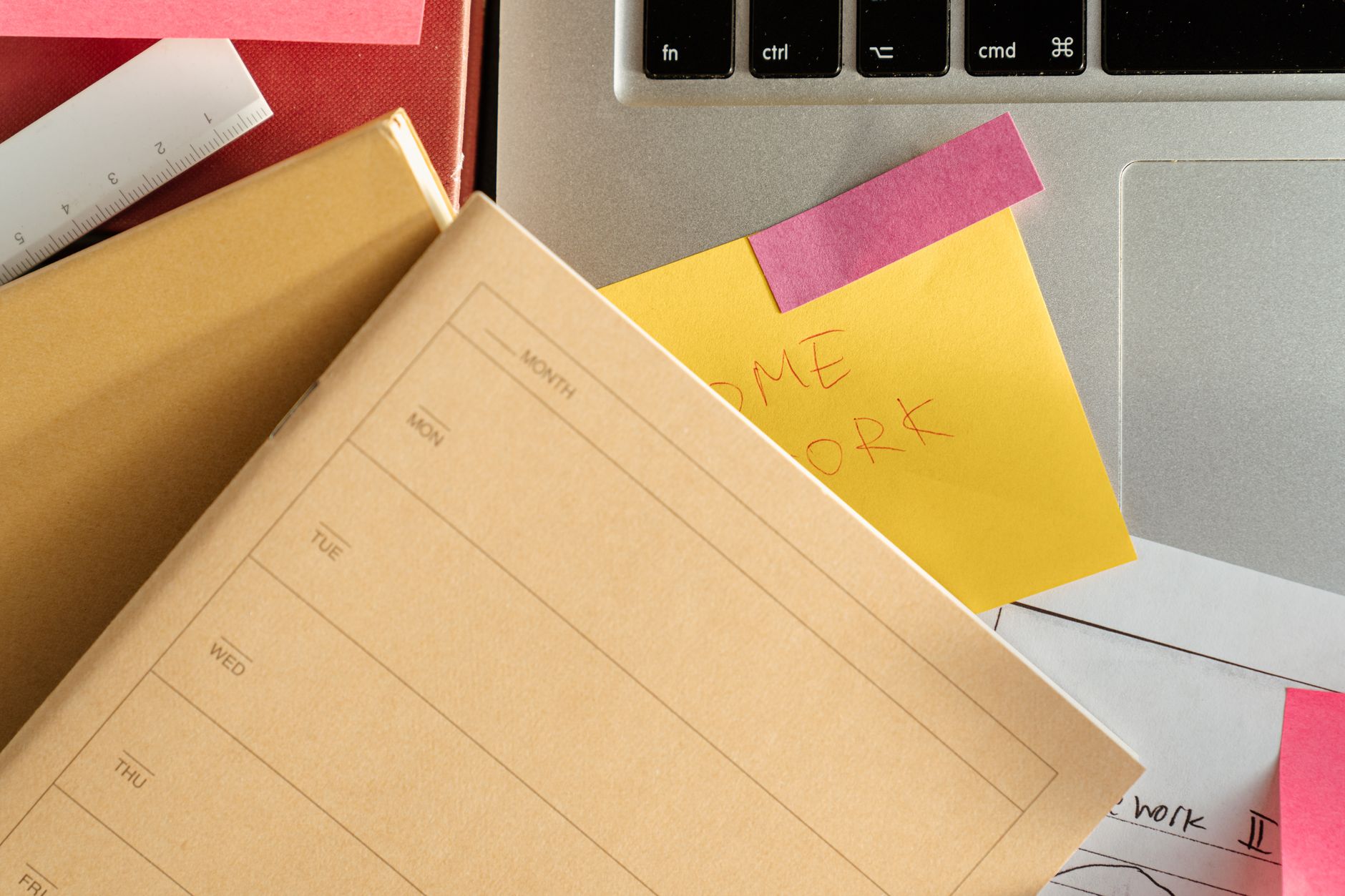
For independent creators, the biggest obstacle to growth isn't a lack of ideas—it is the exhausting cycle of daily brainstorming. A practical monthly content calendar solves this by turning chaotic, last-minute posting into a structured, repeatable system. Instead of waking up wondering what to publish, a reliable monthly framework allows you to map out your topics, formats, and distribution channels weeks in advance, freeing up mental space to focus on quality creation.
By establishing a reusable content calendar workflow, you remove the daily friction of decision fatigue. This guide provides a clear, actionable blueprint to build a calendar that works for your unique schedule, helping you maintain consistency across all your active channels without burning out.
Why Solo Creators Struggle Without a Structured System
Many beginners start their creative journey by posting on a whim. While this spontaneous approach feels liberating at first, it quickly leads to creative exhaustion. Without an organized plan, you spend more time deciding what to make than actually making it. This is where a dedicated monthly content planning template for beginners becomes invaluable.
Using a structured layout helps you visualize your publishing frequency and balance your topics. If you are trying to figure out how to plan content for multiple platforms without losing your sanity, a centralized monthly view prevents you from overcommitting. It allows you to see how a single long-form piece, like a blog post or video, can be broken down into smaller social media updates over the course of thirty days.

How to Build Your Practical Monthly Content Calendar Step-by-Step
Building an effective planning system does not require expensive, complicated software. You do not need to spend hours configuring complex databases; a simple content calendar spreadsheet is often the most effective tool to keep you organized. Follow this step by step content planning guide to set up your system from scratch.
Step 1: Choose Your Planning Canvas
Before writing down ideas, decide where your calendar will live. Many creators waste days trying to build highly complex dashboards when a basic spreadsheet or a clean, digital grid is much easier to maintain. If you want to keep things simple, look for a social media calendar template free of unnecessary bells and whistles. The goal is to have a visual space where you can see a full four-week block at a single glance.
Step 2: Define Your Content Pillars
Pillars are the core topics you talk about. For example, a fitness creator might have pillars like "Nutrition," "Strength Training," and "Mindset." Having defined pillars makes organizing social media posts by theme incredibly easy. Assign a color to each pillar on your calendar. This visual coding ensures you do not post three nutrition tips in a row, keeping your feed diverse and engaging for your audience.
Step 3: Establish a Repeatable Weekly Cadence
Instead of treating every day as a blank slate, give each day of the week a specific job. For instance, Mondays could be for deep-dive tutorials, Wednesdays for quick industry tips, and Fridays for behind-the-scenes stories. This structured repetition serves as a reusable monthly content planner that you can copy and paste from one month to the next, reducing the effort required to fill your schedule.
Step 4: Set Up Production Tracking Stages
A calendar is only useful if it shows you what needs to be done next. You must understand how to track content production status to avoid missing deadlines. Create a simple column or label system to track each post through five distinct phases:
- Idea: Raw concepts that need refinement.
- In Progress: Currently being written, filmed, or designed.
- Review: Ready for a final proofread or edit.
- Scheduled: Uploaded to your publishing tool and set to go live.
- Published: Successfully live on your platform.
This systematic tracking prevents the panic of realizing a post scheduled for tomorrow morning hasn't even been drafted yet.
A Realistic Monthly Planning Workflow
To keep your calendar filled, you need a routine for organizing digital content ideas and turning them into finished posts. Instead of trying to plan, write, and edit all at once, break your month down into distinct phases. This process simplifies the creative workflow for content planning and keeps your production line moving smoothly.
The Creator's Monthly Planning Timeline
Week 1 (Brainstorming & Mapping): Spend one hour collecting ideas. Use the CreatePilot Blog Outline Generator to structure your main concepts, and map them onto your calendar grid.
Week 2 (Batch Drafting): Write your captions, scripts, or blog posts in batches. If you need compelling headlines, use the Blog Title Generator to quickly generate options.
Week 3 (Asset Creation): Film your videos, take your photos, or design your graphics in one or two focused sessions.
Week 4 (Scheduling & Optimization): Upload your finished assets. Use the Blog Meta Description Generator to write optimized snippets for your articles, then schedule everything for the upcoming month.
We highly recommend batch planning monthly content because it allows you to stay in one creative zone at a time. Writing ten social media captions in one sitting is much faster than writing one caption every single day, as it eliminates the mental startup cost of switching tasks.

Common Mistakes to Avoid When Planning Content
Even with a great system, it is easy to fall into traps that disrupt your consistency. Keep these common pitfalls in mind as you refine your setup:
- Overfilling the calendar: Do not schedule posts for seven days a week if you only have the energy for three. Start small and build momentum.
- Ignoring buffer days: Life happens. Always leave a few empty slots or keep a couple of evergreen posts ready in case you get sick or busy.
- Overcomplicating the tool: If your planning system takes more than ten minutes a day to update, it is too complex. Simplify your layout.
- Skipping the review phase: While automation is helpful, never schedule posts without a thorough human review to catch typos, formatting errors, or broken links.
Your Monthly Content Calendar Checklist
Use this quick checklist at the end of every month to ensure your calendar is ready for the upcoming weeks. This routine completes your monthly editorial calendar setup and guarantees a stress-free publishing cycle.
| Checklist Item | Purpose |
|---|---|
| Review past month's metrics | Identify what performed well and replicate those topics. |
| Color-code by content pillar | Ensure a balanced mix of topics across the entire month. |
| Verify platform-specific formats | Confirm image sizes, video lengths, and link placements. |
| Batch schedule all updates | Set up automated publishing to keep your feed active. |
Once you have checked off these steps, you can confidently let your scheduling tools do the heavy lifting, knowing that your feed will remain active and engaging.
Frequently Asked Questions
How do I start a content calendar if I have zero ideas?
Start by answering the most common questions your target audience has. Look at online forums, social media comments, or search queries related to your niche. Group these questions into three or four main themes, and use them to fill your first month's calendar slots.
How far in advance should I plan my content?
For solo creators, planning thirty days in advance is the sweet spot. It gives you enough lead time to batch produce your assets without making your topics feel outdated or disconnected from current trends.
Should I use a spreadsheet or a dedicated project management tool?
If you are a beginner, start with a simple spreadsheet. It is highly customizable and requires no learning curve. As your workflow grows and you potentially collaborate with others, you can transition to more advanced project management tools.
How do I handle breaking news or sudden trends?
A good calendar is flexible. If a major trend or piece of news relevant to your niche breaks, simply shift your scheduled post down by a day or two and insert your timely update. Your calendar is a guide, not a rigid set of rules.
Streamline Your Workflow Today
Building a practical monthly content calendar is the single best investment you can make in your creative longevity. It transitions your creative process from a source of daily stress into a manageable, professional routine. By defining your pillars, setting up a simple tracking sheet, and batching your production, you will find that posting consistently becomes second nature. Stop guessing what to post next—design your system, organize your ideas, and let your repeatable workflow do the work for you.
Found this guide useful? Support more free creator tools.
Buy Me a Coffee
Comments
Post a Comment