
To make trustworthy faceless educational content, you must replace the missing human face with verifiable evidence, clear visual proof, structured delivery, and high-quality audio. When viewers cannot look into a creator's eyes to gauge their sincerity, they look at the precision of the data, the quality of the production, and the clarity of the voiceover instead. By establishing strict research standards and clear visual cues, you can easily build trust without showing your face.
The Blueprint for Trustworthy Faceless Educational Content
Educational channels face a unique challenge. In entertainment, a faceless format is easily accepted. In education, however, viewers are naturally skeptical of an anonymous voice. To overcome this skepticism, your content must look, sound, and feel professional from the very first second.
Building authority is not about pretending to be an academic institution; it is about demonstrating academic-level care in your production. This guide will walk you through the exact steps needed to turn anonymous tutorials and explainers into highly respected educational resources. By implementing these faceless educational video production tips, you will elevate your brand and build a highly engaged community of learners.

Step-by-Step Guide to Building Authority Without a Face
Creating credible educational content requires a systematic approach. Below is a practical, step-by-step framework designed to help you organize your research, write compelling scripts, and present your ideas with maximum authority.
Step 1: Ground Your Scripts in Verifiable Data
When sourcing facts for educational content, always prioritize primary sources over secondary summaries. Do not rely on random blog posts or unverified social media threads. Instead, use academic search engines, government databases, and peer-reviewed journals to gather your information.
If you are using AI tools to help brainstorm, remember that AI outputs are not automatically correct. Always perform a manual human review of every fact, date, and statistic before writing your final script. You can use the CreatePilot Blog Outline Generator to structure your educational modules, but the actual data points must be verified by you.
Step 2: Master Educational Scriptwriting for Beginners
Knowing how to structure educational video scripts prevents viewer drop-off and keeps your audience focused. A structured script acts as a roadmap for the viewer. Begin with a clear hook that states exactly what the viewer will learn, followed by a brief overview of the subtopics, and then dive into the detailed explanations. This structured approach is essential for educational scriptwriting for beginners who want to keep their content logical and easy to follow.
Step 3: Integrate Visual Proof and Real Data
One of the easiest ways to establish authority is by using visual proof in faceless videos. Instead of filling your screen with generic, unrelated stock footage, show real-time screencasts, highlight specific lines of text from your sources, and display clean data charts. When you mention a study, overlay a screenshot of the actual research paper on the screen. This visual transparency immediately signals to your audience that your content is thoroughly researched.
Step 4: Deliver a Credible Voiceover
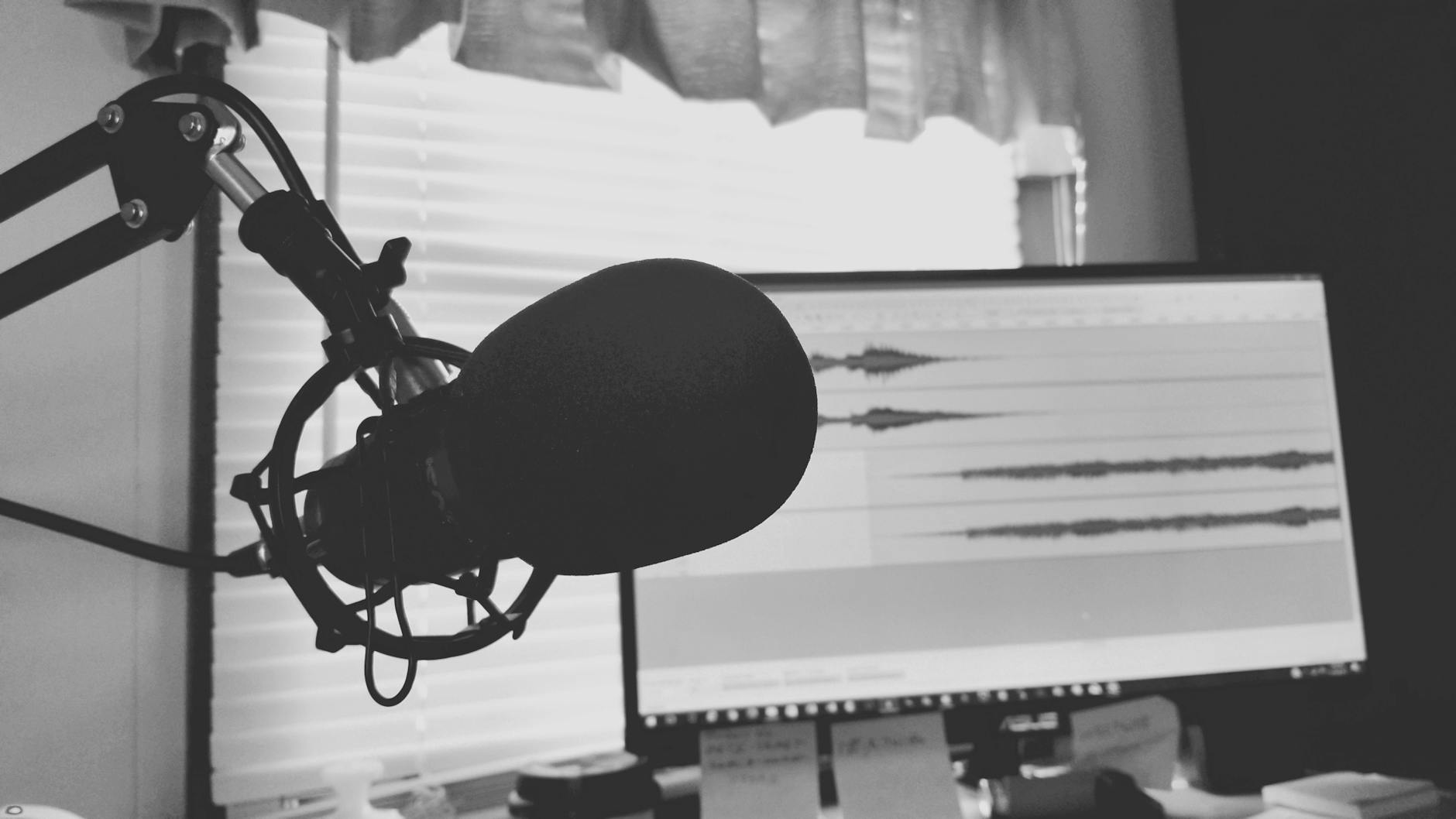
Your voice is your primary connection to your audience. Creating a credible voiceover for faceless videos requires a steady pace, clear pronunciation, and an authoritative yet approachable tone. If you sound rushed, nervous, or monotone, viewers will quickly lose interest. Focus on professional voiceover tips for creators, such as practicing breath control, speaking from your diaphragm, and using a high-quality external microphone to eliminate background noise.
Step 5: Apply Consistent Faceless Channel Branding Strategies
A professional visual identity helps build trust over time. Implementing clean faceless channel branding strategies makes your channel look like a legitimate media outlet rather than a low-effort spam channel. Use a cohesive color palette, a consistent set of fonts for your on-screen text, and a recognizable logo or avatar. When your visual presentation is polished, viewers are far more likely to trust your educational message.
A Realistic Example: The Economics Explainer Video
Let us look at how a beginner creator can apply these steps when creating accurate faceless explainers. Imagine you are making a video explaining inflation. Instead of just speaking over random stock videos of money, you structure your production like this:
- The Hook: You start by showing a chart of purchasing power over the last fifty years, citing the Bureau of Labor Statistics directly on screen.
- The Body: You walk the viewer through three historical examples. For each example, you display a clean graphic showing the cause-and-effect relationship.
- The Proof: When explaining a complex economic theory, you briefly show a screenshot of the original paper by the economist who proposed it, highlighting their name and the publication date.
- The Voiceover: You speak slowly and clearly, pausing slightly after key terms to let the information sink in.
This approach is highly effective for making high quality faceless tutorials and explainers. It transforms a simple voiceover into a rich, academic-style presentation that commands respect.

Common Mistakes That Kill Faceless Credibility
If you want to succeed in building a loyal faceless audience, you must avoid the common pitfalls that make viewers click away. Here are the most frequent mistakes made by beginner creators:
- Using Vague, Unverified Sources: Phrases like "studies show" or "scientists agree" without naming the actual study or scientists will immediately ruin your credibility. Always name your sources.
- Relying on Low-Quality Text-to-Speech: While some modern AI voices are highly advanced, robotic and unnatural voiceovers can make your content feel cheap and untrustworthy. If you use synthetic voices, ensure they sound highly natural, or consider recording your own voice.
- Overloading the Screen with Stock Footage: Generic stock videos of people smiling in offices rarely match the depth of educational content. Use relevant diagrams, text callouts, and custom animations instead.
- Failing to Fact-Check: A single glaring factual error can destroy months of hard work. Prioritize avoiding misinformation in faceless content above all else.
Your Trust-Building Checklist
Use this quick checklist before publishing any new educational video to ensure your content meets high standards of credibility:
- Have I verified every statistic and factual claim with at least two reliable sources?
- Are my sources clearly cited on screen or listed in the video description?
- Is the audio clear, crisp, and free of background hiss or echo?
- Does the on-screen visual directly support and clarify the words being spoken?
- Have I reviewed the final edit to ensure there are no spelling or grammatical errors in the on-screen text?
Frequently Asked Questions
How do I establish authority as a faceless creator if I do not have a degree in my niche?
If you are wondering how to establish authority as a faceless creator without formal credentials, focus on becoming an excellent curator of information. You do not need a PhD to explain complex topics; you simply need to do thorough research, cite highly qualified experts, and present the information in a clear, digestible format. Your authority comes from the quality of your research and the clarity of your presentation.
What are the best faceless content creation tools for beginners?
There are many excellent faceless content creation tools available today. For writing and planning, tools like the CreatePilot Blog Title Generator and Blog Meta Description Generator can help you optimize your titles and metadata for search. For visual creation, presentation software, screen recorders, and clean graphic design tools are highly effective for making informative, data-driven visuals.
How can I keep viewers watching without showing my face?
Improving viewer retention on educational channels relies on visual pacing and clear storytelling. Change the visual on the screen every 4 to 6 seconds. Use zoom-ins, text highlights, and smooth transitions to keep the viewer's eyes moving. Most importantly, ensure your script flows logically without unnecessary filler words.
Can I build a loyal audience without a personal brand?
Yes, absolutely. You can build a highly dedicated following by branding your channel around a specific topic or mission rather than an individual person. Focus on delivering consistent value, answering your audience's questions, and maintaining a high standard of accuracy. Over time, your channel's brand name will become synonymous with trust and quality.
Conclusion
Creating trustworthy faceless educational content is one of the most rewarding paths for modern creators. By focusing on verifiable facts, clean visual proof, and professional audio delivery, you can easily overcome the lack of a physical presence on camera. Remember to treat your research with care, design your visuals to support your words, and always fact-check your scripts thoroughly. With consistency and dedication, you will build a credible educational brand that viewers trust and return to time and time again.
Found this guide useful? Support more free creator tools.
Buy Me a Coffee
Comments
Post a Comment