
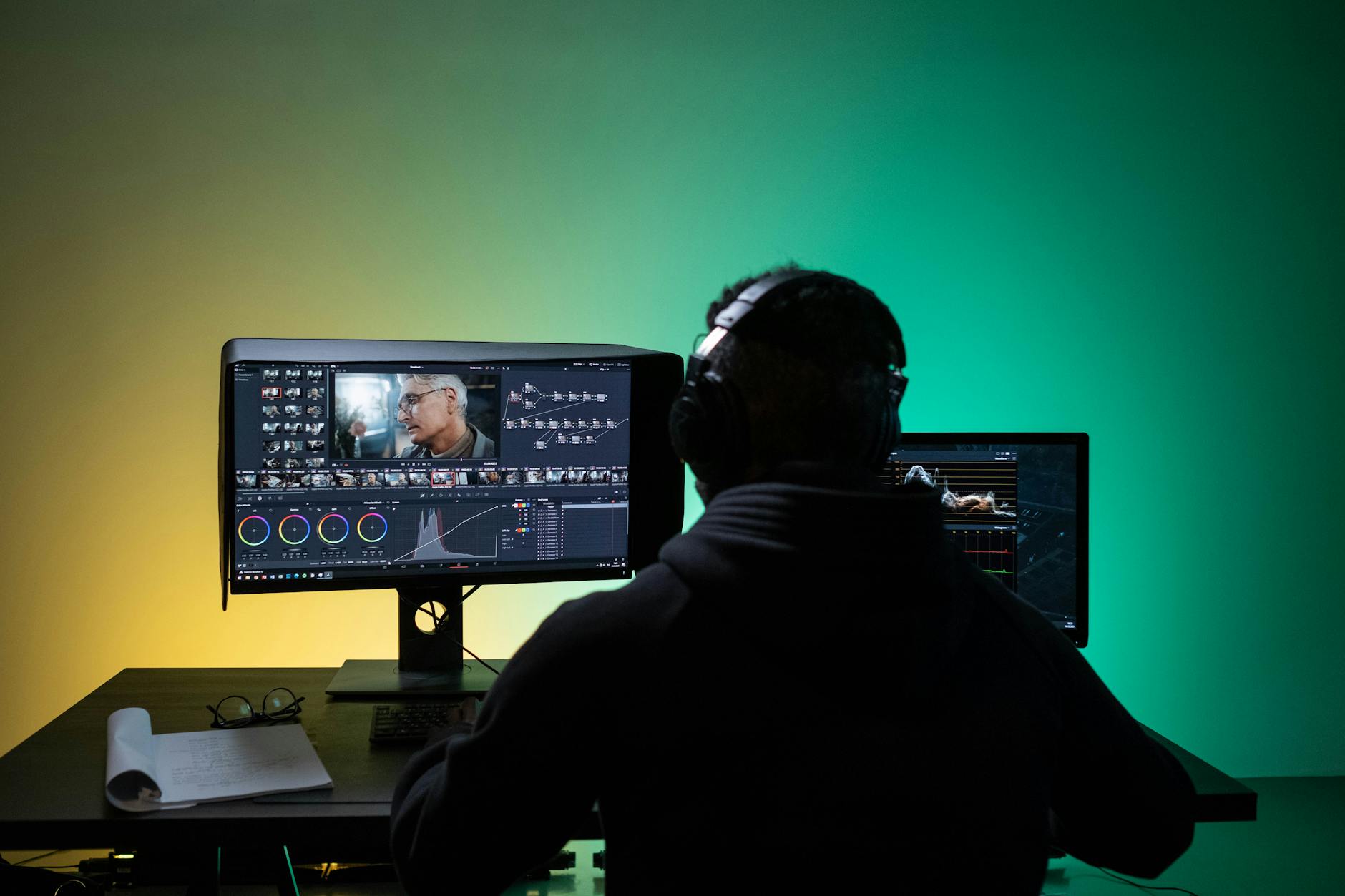
If you produce long-form content, you already possess a goldmine of raw material for short-form platforms. However, haphazardly slicing up a 30-minute recording rarely yields results. To turn one long video into short clips that actually retain viewers, you need a systematic approach that preserves context while delivering standalone value. This guide covers a repeatable framework to extract, format, and publish high-performing short clips without starting from scratch every time.
Many creators struggle because they treat short-form editing as an afterthought rather than a dedicated production stage. By structuring your long recording with clip extraction in mind—or reviewing finished archives with a sharp eye—you can generate weeks of multi-platform content from a single recording session.
The Core Challenge of Video Clipping
The primary trap creators fall into when attempting to turn one long video into short clips is context collapse. A 60-second excerpt makes sense inside a 20-minute discussion because the audience has already absorbed the setup. When isolated into a vertical feed, that same clip can feel confusing, abrupt, or entirely out of left field.
Solving this requires redefining what constitutes a "clip." A successful short-form video extracted from long-form media is not merely a random highlight; it is a self-contained micro-story. It must introduce a premise, deliver a core insight or punchline, and resolve or leave a clear thought loop within 30 to 60 seconds.
Relying solely on automated AI clipping tools without human review often exacerbates this issue. While algorithms can spot high-energy audio spikes or facial close-ups, they frequently cut off sentences mid-thought or miss the subtle narrative buildup that makes a statement impactful. Human oversight is essential to verify that the core message remains intact before you publish.
Furthermore, context collapse manifests in several distinct ways that can silently damage your audience retention rates. First, there is pronoun ambiguity. If a speaker in a long-form interview says, "And that is why we decided to pivot completely," during a clipped segment, the viewer has no frame of reference for what "that" refers to or who "we" includes. Second, there is lack of stakes. If you jump straight into the middle of an explanation without establishing why the problem matters, the viewer has no emotional or intellectual investment in the outcome.
To combat these issues, experienced editors learn to inject contextual bridges. A contextual bridge can take the form of a brief animated text overlay that sets the scene, or a carefully chosen re-framing of the start point that includes the speaker framing the question. By deliberately selecting segments where the speaker defines their terms within the first ten seconds, you eliminate the friction that causes viewers to swipe away.

Step-by-Step Workflow to Extract Short Clips
Building a predictable pipeline for your content repurposing efforts eliminates decision fatigue. Follow these sequential steps to move from raw archive to published vertical videos.
- Audit the transcript first: Instead of scrubbing through hours of video footage, read through the exported text transcript. Look for paragraphs containing high-density advice, surprising statistics, counterintuitive opinions, or clear narrative arcs. Highlight sections that span 100 to 200 words, which naturally translate to roughly 40 to 50 seconds of spoken delivery.
- Mark exact timecodes for micro-stories: Identify the entry point where the speaker starts framing a specific problem and the exit point where the thought concludes. Ensure your start time does not rely heavily on pronouns referencing things discussed five minutes earlier.
- Reframe and crop for vertical screens: Bring your selected timecode ranges into your editing timeline. If your original source is horizontal (16:9), reframe the footage to vertical (9:16). Use active speaker tracking or manual keyframing to keep the primary subject centered, adjusting for eye-lines and framing aesthetics.
- Craft a dedicated short-form hook: The first three seconds of your clip must earn attention on the feed. If the original spoken sentence starts slowly, trim the filler words or prepend a visual text overlay that frames the core question being answered in the clip.
- Add readable captions: Viewers frequently watch short-form videos on mute. Generate clean captions, but always review them manually for spelling errors, awkward line breaks, and formatting readability before exporting.
Executing this workflow efficiently requires organizing your digital workspace. Create dedicated project folders for each long-form video you process. Within those folders, maintain subfolders for raw transcripts, selected timecode notes, rough vertical cuts, and final polished exports. Keeping your assets organized prevents accidental overwrites and ensures you can easily return to a project if you need to adjust captions or export in a different aspect ratio for secondary platforms.
Realistic Example: From Podcast Archive to Vertical Short
Imagine you run a weekly creator education channel and recently published a 35-minute interview about pricing digital products. Scrubbing through the timeline blindly can waste hours. Here is how you apply a structured approach:
- Source material: A 35-minute discussion on why flat-rate pricing often fails creators.
- Transcript review: At minute 14:20, the guest spends 45 seconds explaining the psychological difference between selling a $50 PDF and a $50 mini-course bundled with a community template.
- Context adjustment: The raw segment begins with, "That's why we did it the other way." To make this work as a standalone clip, you trim the leading pronoun and insert a short text hook on screen: "Why flat-rate pricing is costing you sales."
- Final output: A 42-second vertical clip that introduces the pricing problem, delivers the framework, and closes with a actionable takeaway, ready for Shorts, Reels, and TikTok.
- Refinement iteration: After exporting the draft, you notice the guest takes two seconds to clear their throat before delivering the main point. You trim those dead frames so the audio starts immediately on the word "Flat-rate." This instant audio gratification hooks the viewer during the critical opening second.
This systematic breakdown demonstrates that turning a long video into short clips is not about finding the loudest moments, but rather about isolating self-contained educational units. When your viewer finishes watching the clip, they should feel like they learned a discrete, actionable lesson, increasing the likelihood that they will follow your channel or visit your main video for the full conversation.

A Practical Checklist for Clean Clipping
Before you hit export on your batch of short clips, run through this quick quality assurance checklist to ensure your content meets high production standards:
- Does the clip make complete sense to someone who has never watched your main channel?
- Are the audio levels balanced, with background noise minimized and vocal frequencies enhanced?
- Is the vertical framing correctly centered on the active speaker or demonstration area without cutting off foreheads or chins?
- Have you verified that auto-generated captions do not contain embarrassing typos, incorrect homophones, or awkward multi-word groupings?
- Does the text hook accurately represent the content without relying on deceptive clickbait that alienates discerning viewers?
- Is the pacing tight, with dead air, long pauses, and filler breath sounds removed?
- Are your brand colors, fonts, and subtitle styles consistent with your broader content ecosystem?
Using a physical or digital checklist every single time you edit prevents lazy habits from creeping into your workflow. As you publish more clips, you can update this checklist to reflect new platform requirements, such as changes in safe zones where platform user interface buttons might obscure your captions.
Common Mistakes to Avoid When Clipping Long Videos
Even experienced creators make avoidable errors when rushing their repurposing workflow. Keep these pitfalls in mind to protect your channel's reputation and engagement metrics:
Relying entirely on auto-clippers: Letting software chop your video into 20 random segments and posting them raw leads to low-quality feeds filled with broken sentences and bizarre cropping. Always review and refine the cuts manually.
Ignoring audio continuity: Chopping a sentence right in the middle of a natural inhale creates jarring audio jumps that grate on the listener's ears. Use subtle crossfades or re-frame sentence boundaries to keep speech sounding natural.
Forgetting platform native styles: While you can distribute the same core clip across multiple platforms, ensure your metadata, thumbnail frames, and descriptions match what platform audiences expect. A YouTube Short audience interacts differently than an Instagram Reels or TikTok audience.
Overloading the screen with visual clutter: Adding excessive stickers, bouncing emojis, flashing background elements, and large decorative borders can overwhelm the viewer. Keep the visual focus on the speaker and clean, legible text captions.
Failing to include a clear call-to-action: While every clip does not need a hard sales pitch, giving viewers a subtle direction—such as telling them to check the pinned comment or the related long-form video link—helps convert casual scowlers into loyal subscribers.
Frequently Asked Questions
How many short clips should I make from one long video?
Quality always trumps quantity. A typical 20-to-30-minute video usually yields between 3 and 6 genuinely strong standalone clips. Trying to force 15 clips out of a single recording often results in repetitive or low-value filler content.
If you find fewer than three good moments, consider whether your long-form recording had too much conversational drift, which is useful feedback for future recording sessions.
What is the ideal length for clips extracted from long videos?
Most high-performing clips range between 30 and 55 seconds. This window provides enough duration to unpack a single valuable insight while moving fast enough to maintain viewer retention across fast-scrolling feeds.
How do I handle horizontal video framing in vertical clips?
You can crop your 16:9 footage into a 9:16 frame using keyframes to track the speaker from side to side. Alternatively, many modern editors offer reframing layouts that place the horizontal video in the center with custom branded top and bottom blocks for titles and captions.
Should I publish all clips at once or spread them out?
Spread them out across several days or weeks. Publishing multiple clips from the exact same long video on the same day can oversaturate your feed and annoy regular subscribers. Staggering your publishing schedule also gives you steady visibility while you produce your next long-form piece.
Can I repurpose the exact same clip across different social platforms?
Yes, but you should tailor the title, description, and hashtags to fit the native search culture of each platform. For instance, YouTube Shorts benefits from keyword-rich titles, while TikTok relies heavily on trending audio tags and community-specific phrasing.
Conclusion
Repurposing your media archive does not require complex technical wizardry or endless manual labor. When you follow a structured workflow to turn one long video into short clips, you maximize the reach of your original ideas without burning out on daily filming. Focus on finding standalone micro-stories in your transcripts, refine your framing and captions with human oversight, and maintain a steady publishing schedule to compound your long-term growth.
Related Tools for Creators
Streamline your content preparation and packaging with these free CreatePilot utilities:
- Blog Outline Generator: Structure your primary long-form talking points before you hit record.
- Blog Title Generator: Brainstorm clear, search-friendly titles for your long-form source articles and videos.
- Blog Meta Description Generator: Craft concise summaries for your accompanying show notes and landing pages.
Found this guide useful? Support more free creator tools.
Buy Me a Coffee
Comments
Post a Comment